HELPING LEARNERS THRIVE IN A MULTICULTURAL SCHOOL ENVIRONMENT
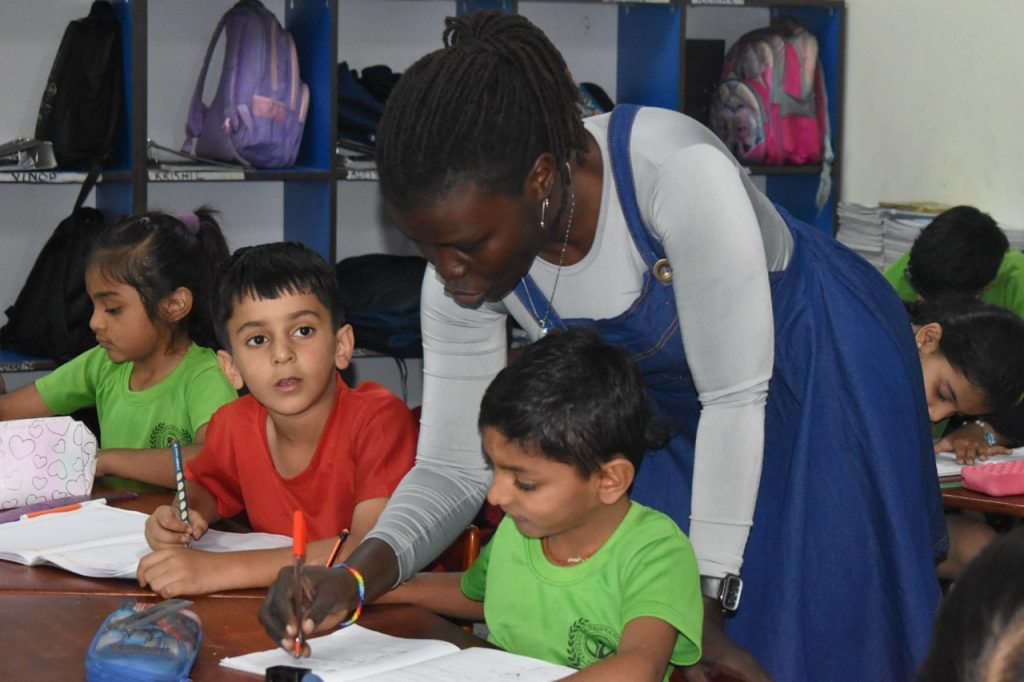
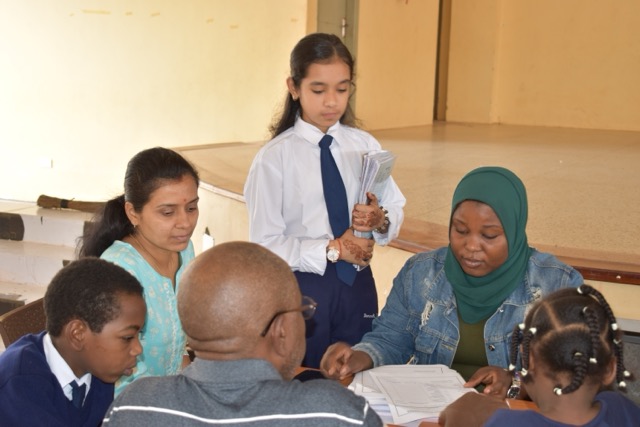
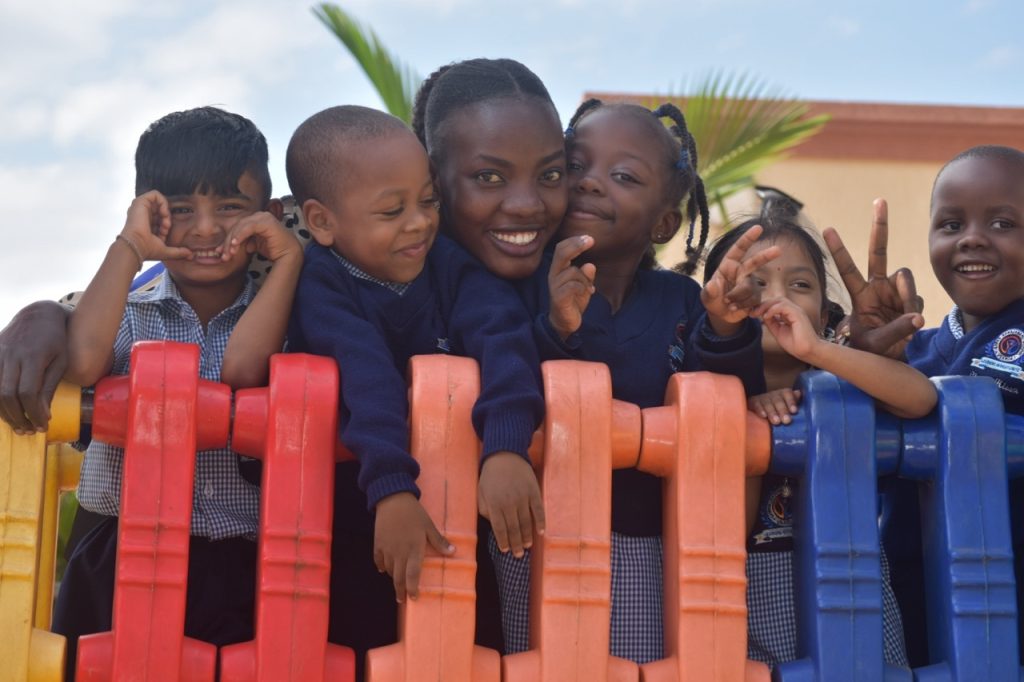
As schools become more diverse and globally connected, learners are growing up in communities that reflect a beautiful tapestry of languages, cultures, beliefs, and experiences. This multicultural environment offers immense opportunities—but it also presents challenges for learners trying to find a sense of identity, belonging, and understanding.
So, how can schools and educators support children to not only live in but thrive in a multicultural environment?
“No culture can live if it attempts to be exclusive.” — Mahatma Gandhi
WHY MULTICULTURAL EDUCATION MATTERS
Multicultural learning environments foster:
Global awareness and empathy
Respect for diversity
Critical thinking and tolerance
Self-confidence in learners from minority backgrounds
In a world that is increasingly interconnected, raising culturally competent learners is no longer optional—it’s essential.
1. Create a Culture of Inclusion and Belonging
Learners feel safe and valued when they know their identities are respected. Inclusion must go beyond slogans—it should be embedded in the day-to-day practices of the school.
Strategies:
Display diverse images, languages, and stories around school
Celebrate international days and cultural festivals
Use inclusive language in communication
Provide translation support for families where needed
“Diversity is being invited to the party. Inclusion is being asked to dance.” — Verna Myers
2. Reflect Diversity in the Curriculum
What learners see in the classroom should reflect the world they live in.
Include authors, leaders, and historical figures from different cultures.
Explore world religions, traditions, and global perspectives in lessons.
Encourage learners to bring their own stories and cultural experiences into class discussions.
Teach about bias, stereotypes, and equity in age-appropriate ways.
3. Address Cultural Misunderstandings Early and Respectfully
In diverse environments, misunderstandings can happen—sometimes unintentionally. Rather than ignoring them, use them as teachable moments.
Encourage open dialogue guided by empathy
Teach conflict resolution through respectful communication
Reinforce the idea that different is not wrong—just different
Create clear policies on racism, xenophobia, and bullying
4. Encourage Peer Interaction and Collaboration
Help students build relationships beyond their cultural or language groups.
Ideas:
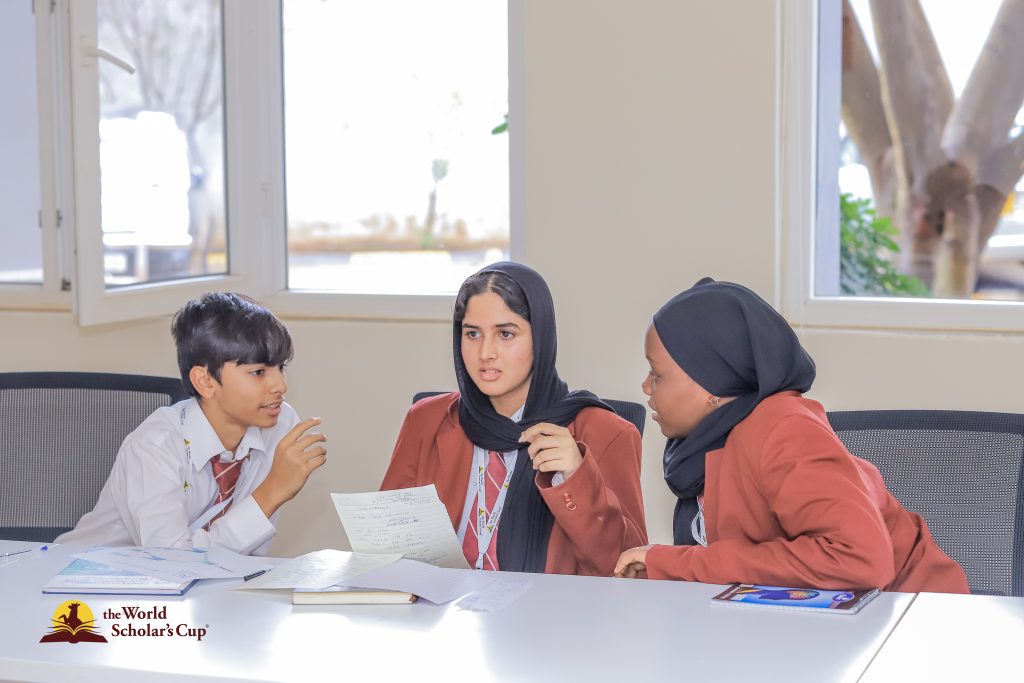
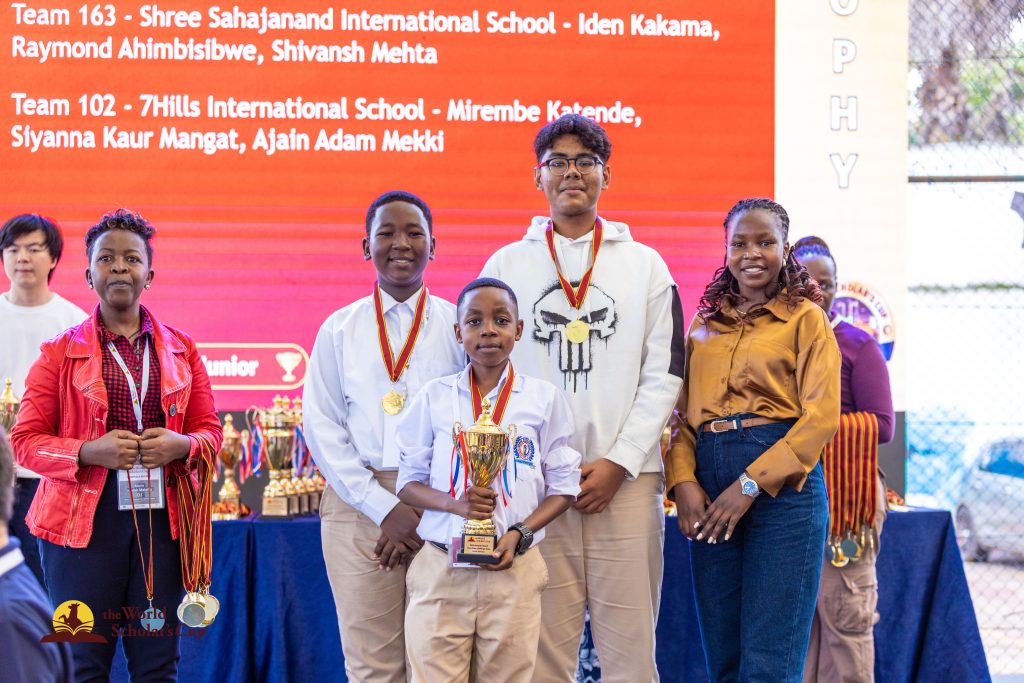
Group learners in mixed teams for projects and clubs
Use icebreakers and cultural exchange activities
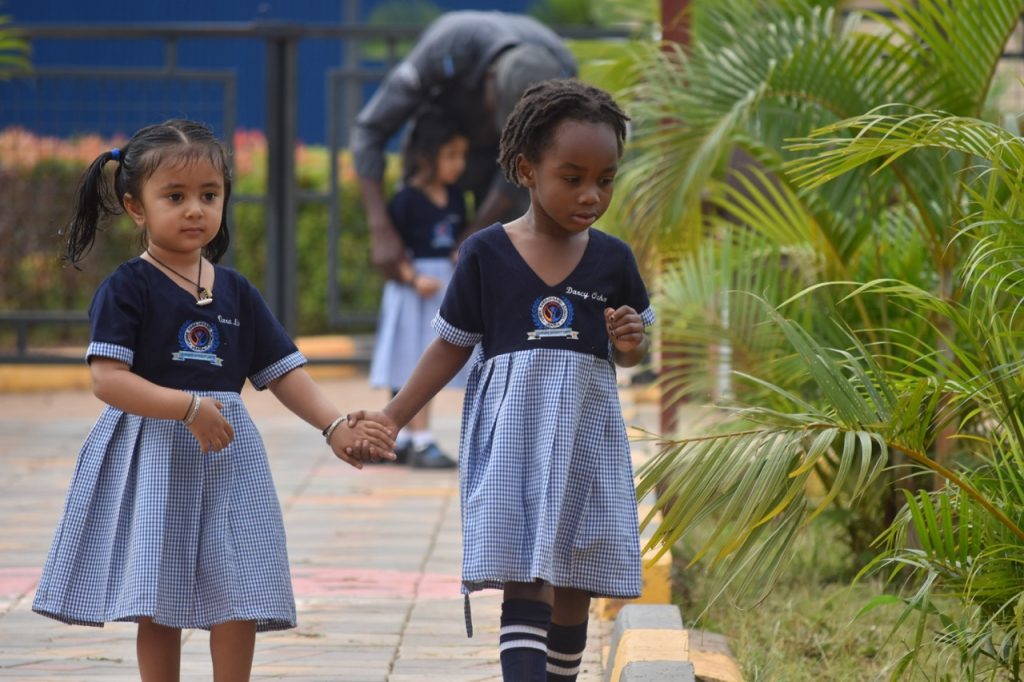
Have “buddy systems” pairing new learners with classmates from different backgrounds
Relationships are key in breaking down prejudice and forming genuine connections.
5. Engage Families from All Backgrounds
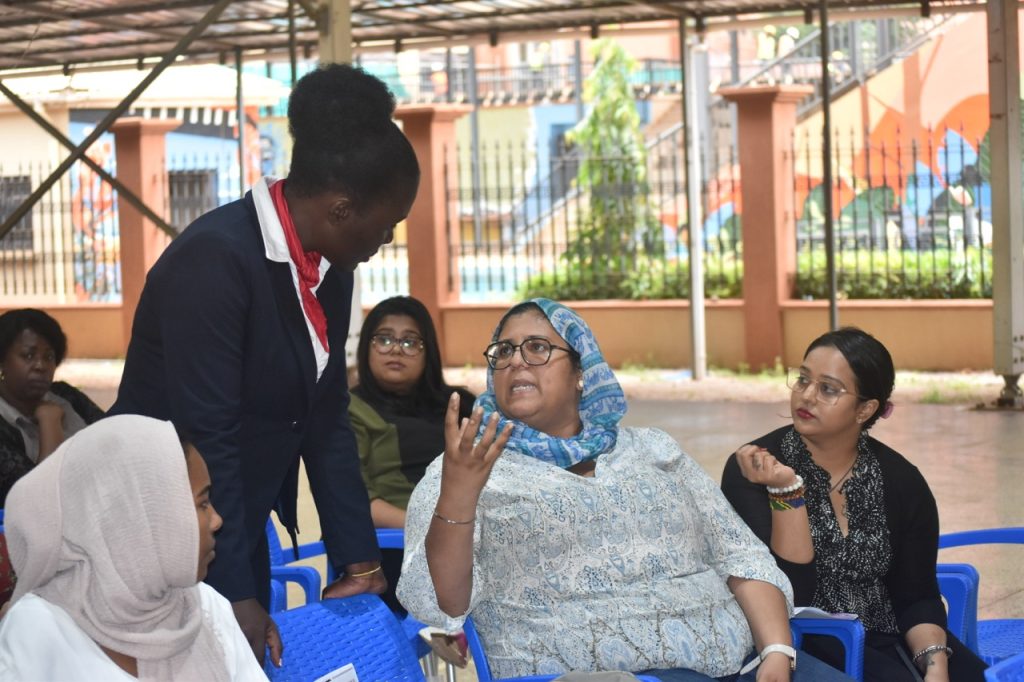
Parents and caregivers are powerful partners in shaping an inclusive school culture.
Offer translation services during meetings
Invite families to share their traditions or speak at school events
Hold multicultural potlucks, exhibitions, or storytelling sessions
Ensure school communication considers cultural norms and sensitivities
“It takes a village to raise a child.” — African Proverb
6. Promote Identity and Pride
Learners should never feel the need to hide who they are to fit in. Support them to embrace their culture while appreciating others’.
Allow cultural attire or languages on special days
Let learners present personal heritage projects
Discuss dual or multiple identities positively
Encourage bilingualism as a strength
When learners feel proud of who they are, they’re more likely to accept and appreciate others.
7. Train Staff in Cultural Competency
Teachers, administrators, and support staff must be equipped to guide learners through multicultural dynamics.
Offer professional development on equity and inclusion
Address unconscious bias in assessments and discipline
Share resources on managing cultural diversity in the classroom
A culturally aware team models the respect and openness learners need to see.
Final Thoughts
Multiculturalism in schools is not just about tolerance—it’s about transformation. It’s about preparing learners to succeed in a diverse world by teaching them to value differences, communicate across cultures, and stand up for inclusion.
“We all should know that diversity makes for a rich tapestry, and we must understand that all the threads of the tapestry are equal in value.” — Maya Angelou
Let’s commit to building schools where every learner, regardless of background, feels safe, seen, and supported—where diversity is not just respected, but celebrated.

Leave a Reply