In today’s competitive academic world, many believe that only books and tests determine student success. But research and experience tell us otherwise: students who actively participate in co-curricular activities often perform better in academics too.
From school clubs and sports teams to music, drama, debate, and service projects—these activities are not distractions from learning. They enhance it.
“Education is not just about the head. It’s also about the heart, hands, and habits.”
Let’s explore how co-curricular activities positively impact academic performance and build smarter, more well-rounded learners.
1. Better Brain Function and Concentration
Regular participation in music, sports, or arts helps stimulate the brain. For example:
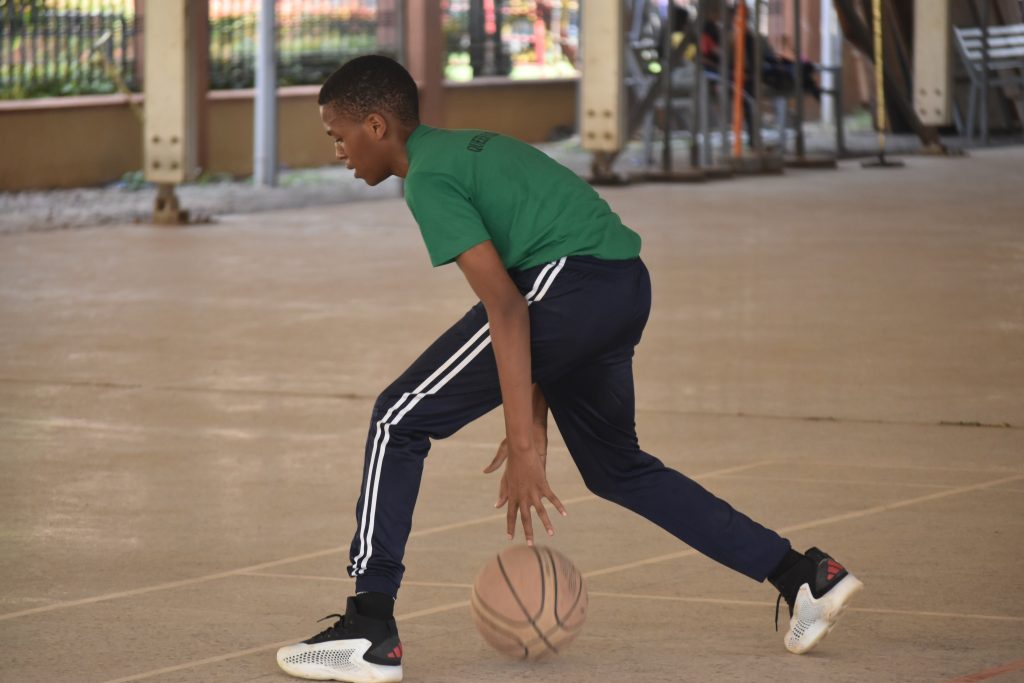
Sports improve oxygen flow and energy, boosting focus in class.
Playing an instrument or engaging in creative art builds memory and concentration.
These brain-boosting benefits translate to better classroom performance and test scores.
2. Improved Time Management and Discipline
Students involved in co-curriculars must balance practice, meetings, and competitions alongside their schoolwork.
This teaches:
Goal-setting
Prioritization
Self-discipline
Learners become more organized and learn to make the most of their time—a skill that directly improves study habits and academic outcomes.
3. Enhanced Communication and Collaboration Skills
Debate clubs, drama groups, and team sports build strong communication skills. These students often:
Participate confidently in class discussions
Express ideas clearly in written work
Collaborate effectively in group assignments
Good communicators are better learners.
4. Boosted Motivation and School Engagement
Co-curricular activities make school more enjoyable and meaningful.
When students feel a sense of purpose and belonging:
Their attendance improves
Their classroom engagement increases
Their love for learning grows
This emotional connection leads to a positive attitude toward studies—and better results.
“Students who feel connected to school are more likely to succeed academically.” — Educational Research Journal
5. Development of Critical Thinking and Problem-Solving Skills
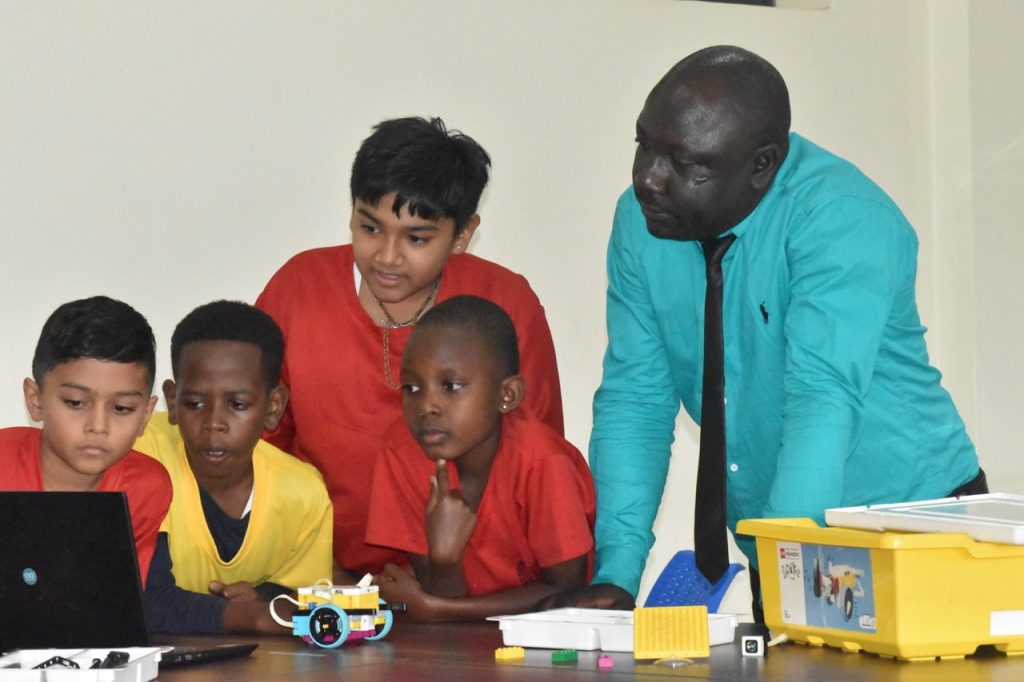
Activities like robotics, chess, science clubs, and student government encourage strategic thinking and real-world problem-solving—skills directly applicable in:
Math
Science
Research projects
Exam analysis
These learners tend to grasp complex academic content more quickly and think independently.
6. Improved Self-Confidence and Stress Management
A child who performs on stage, scores a goal, or leads a project gains self-belief. Confidence spills into academics, empowering them to:
Participate actively in class
Take on leadership roles
Tackle academic challenges without fear
Activities also act as healthy outlets for stress—especially before exams.
What Does the Research Say?
Numerous studies have shown that students who participate in co-curricular programs:
Have higher GPAs
Perform better in standardized tests
Are more likely to graduate on time
They develop both cognitive and non-cognitive skills that make academic learning easier and more effective.
Schools Play a Key Role
To support academic growth through co-curriculars, schools should:
Offer a variety of clubs and programs
Make participation inclusive—not just for the top athletes or performers
Schedule wisely to avoid class-time clashes
Celebrate both academic and non-academic achievements
“Academic success is not about doing one thing well. It’s about doing many things in harmony.”
Final Word: Balanced Learners Are Better Learners
Co-curricular activities aren’t a break from learning—they’re a different way of learning. When supported intentionally, these programs don’t compete with academics—they complement and enhance them.
Let’s shift the mindset from “books vs. games” to “books and games”—because true education develops the whole child.





Leave a Reply