“Behind every young child who believes in themselves is a parent, teacher, or mentor who believed first.” – Matthew L. Jacobson
In today’s world, helping children succeed in class means more than just chasing high grades. It’s about nurturing confident, curious, and capable learners who feel supported every step of the way. Whether you’re a parent, teacher, or caregiver, your role is vital in unlocking a child’s full potential.
Below are practical strategies, supported by powerful quotations, to help children thrive academically and beyond.
1. Create a Stable and Supportive Home Environment
Children need a sense of security to thrive. A calm, consistent home environment boosts focus, reduces anxiety, and encourages responsibility.
Establish a balanced routine (study, play, rest).
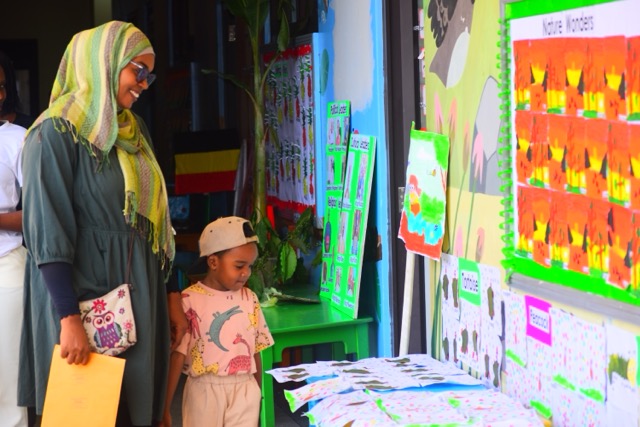
Be present and involved in their school life.
Talk to your child about their challenges and celebrate their small wins.
“Children are not things to be molded, but are people to be unfolded.” – Jess Lair
2. Encourage a Growth Mindset
Teach your child that success comes from effort, not just talent. Help them embrace challenges, learn from setbacks, and stay persistent.
Praise effort over results.
Normalize making mistakes.
Celebrate improvement and progress.
“It’s not that I’m so smart, it’s just that I stay with problems longer.” – Albert Einstein
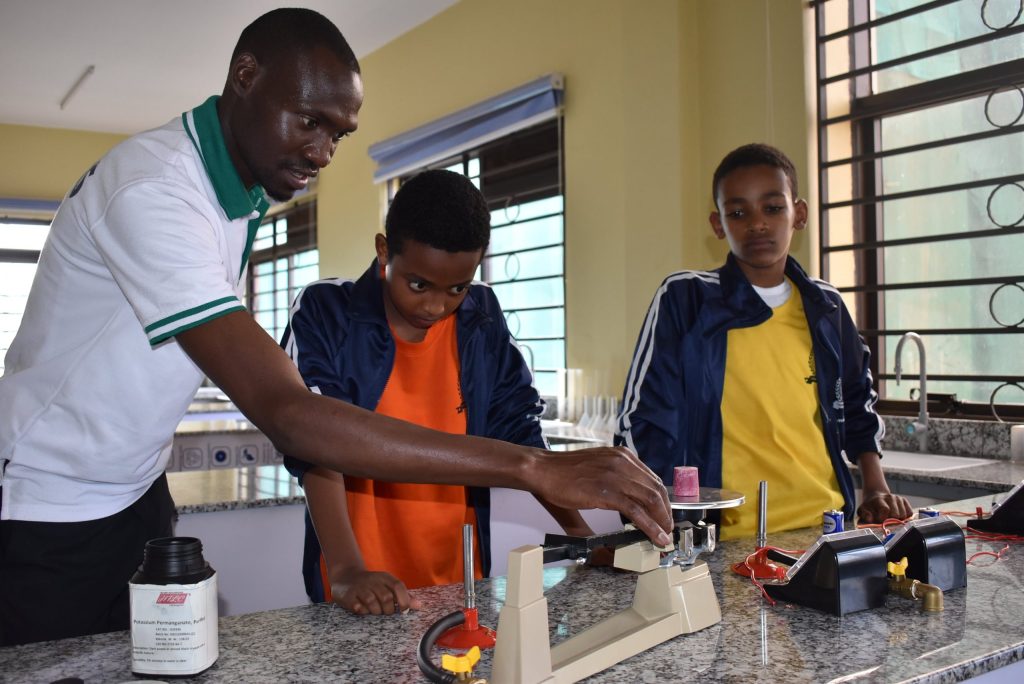
3. Collaborate with Teachers
A strong partnership between home and school enhances learning outcomes.
Attend school meetings and engage in open communication with teachers.
Respond to feedback and follow up on recommendations.
Show your child that education is a team effort.
“When parents and teachers work together, good things happen in the lives of children.” – Unknown
4. Promote Strong Study Habits
Good study skills are learned—and they start at home.
Create a distraction-free study space.
Set a daily homework and revision schedule.
Encourage note-taking, summarizing, and reviewing material regularly.
“Success is the sum of small efforts, repeated day in and day out.” – Robert Collier
5. Use Technology Wisely
When managed well, digital tools can support and enrich your child’s learning.
Introduce them to educational apps and websites.
Set boundaries for screen time and monitor usage.
Teach digital responsibility and balance.
“Technology will not replace great teachers, but technology in the hands of great teachers can be transformational.” – George Couros
6. Support Emotional and Social Wellbeing
Children perform better when they feel emotionally supported.
Encourage them to express their feelings and talk through frustrations.
Allow space for play, creativity, and social interaction.
Get help when signs of stress or anxiety appear.
“Educating the mind without educating the heart is no education at all.” – Aristotle
7. Be a Role Model for Lifelong Learning
Your own attitude towards learning greatly influences your child.
Let them see you reading, exploring, and trying new things.
Share stories of challenges you’ve overcome through learning.
Make learning a fun and shared experience.
“What we learn with pleasure, we never forget.” – Alfred Mercier
8. Celebrate Progress, Not Just Perfection
Focus on growth, not just final results. Every step forward counts.
Acknowledge improvements in effort, organization, or confidence.
Avoid comparing them to others—encourage them to be their best self.
Let them know that setbacks are stepping stones.
“Don’t judge each day by the harvest you reap but by the seeds that you plant.” – Robert Louis Stevenson
In Conclusion
Supporting children to excel in class doesn’t require perfection—it requires presence, patience, and partnership. Let’s nurture environments where children are encouraged to ask questions, explore their interests, and take pride in their progress.
Academic success is important—but building a foundation for a confident, compassionate, and curious learner is the greatest achievement of all.
Let’s raise not just top scorers, but bold thinkers, problem solvers, and lifelong learners.







Leave a Reply