Helping Your Child Set Goals for the New Academic Year: A Parent’s Guide

PTA AT Shree Sahajanand International School Uganda

Start the school year strong by guiding your child to set meaningful goals that build confidence, skills, and resilience.

PTA AT Shree Sahajanand International School Uganda

Why Goal Setting Matters

Goal setting isn’t just about grades—it’s about giving children direction, motivation, and a sense of responsibility.

Benefits for your child:

  • 🎯 Provides clear direction

  • 💪 Boosts motivation and self-confidence

  • 🛠 Encourages responsibility and independence

🌱 Fosters resilience in the face of challenges

Step 1: Reflect on the Past Year

Before setting new goals, help your child think about last year:

  • What subjects or activities did you enjoy most?


  • What challenges did you face?


  • Which habits helped you succeed?


  • What would you like to improve this year?


Step 2: Set SMART Goals

SMART goals are:

  • Specific → Clear and well-defined

  • Measurable → Easy to track progress

  • Achievable → Realistic for your child

  • Relevant → Connected to their interests or needs

  • Time-bound → Has a clear deadline

Example:
Instead of “I want to get better at math,” try:

“I will complete all weekly math homework on time and practice 15 minutes extra each day to improve my grades by the next report card.”


Reflection is the first step toward meaningful growth!

Step 3: Balance Academic and Personal Goals

Encourage a mix of goals to support overall growth:

  • Academic: Reading, writing, math, science

  • Personal growth: Focus, confidence, habits

  • Social: Making friends, teamwork, clubs

  • Health: Exercise, sleep, nutrition

Step 4: Break Goals into Steps

Big goals can feel overwhelming. Help your child:

  • Divide goals into weekly or daily tasks

  • Set small milestones

  • Track progress visually (charts, calendars, goal jars)

SMART goals turn big dreams into manageable steps!

SMART GOALS CHART

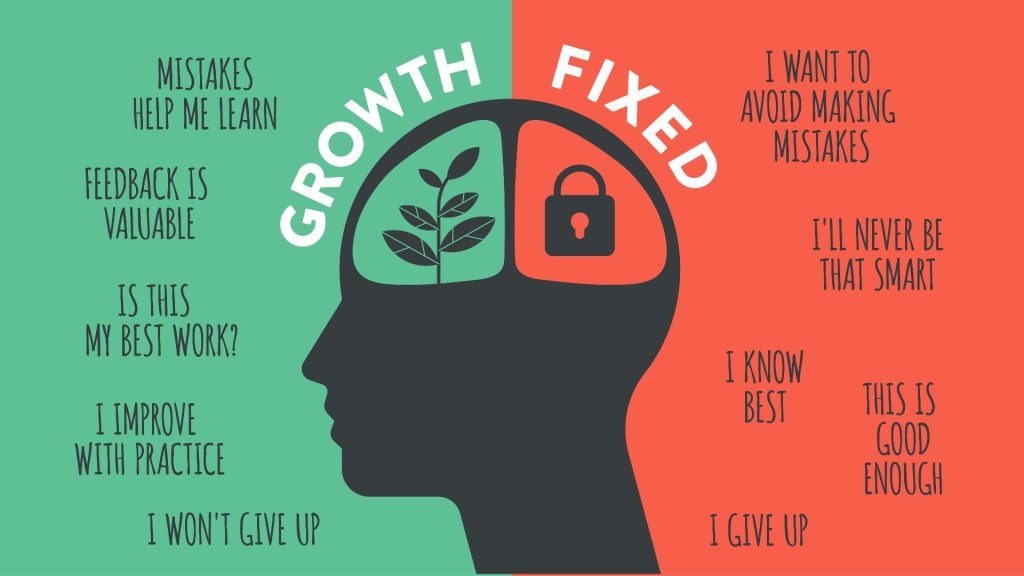
Step 5: Encourage a Growth Mindset

Teach children to embrace challenges:

  • Praise effort, not just results

  • Normalize mistakes as learning opportunities

Encourage persistence and problem-solving

Step 6: Monitor Progress Together

Keep the conversation open:

  • Weekly check-ins: “What worked well this week?”

  • Adjust goals if necessary

Celebrate achievements, no matter how small

It’s not about being perfect—it’s about learning and growing.

Step 7: Make Goal-Setting Fun

Keep your child engaged:

  • Colorful journals, charts, or stickers

  • Creative goal boards with drawings or magazine cutouts

  • Reward milestones with small treats or activities
Awarding Students at SSSU

Helping your child set goals is more than boosting grades—it’s teaching life skills, confidence, and resilience. With reflection, planning, and consistent support, this school year can become one of growth, accomplishment, and meaningful learning.


Leave a Reply

Your email address will not be published. Required fields are marked *